EfVET Conference 2025
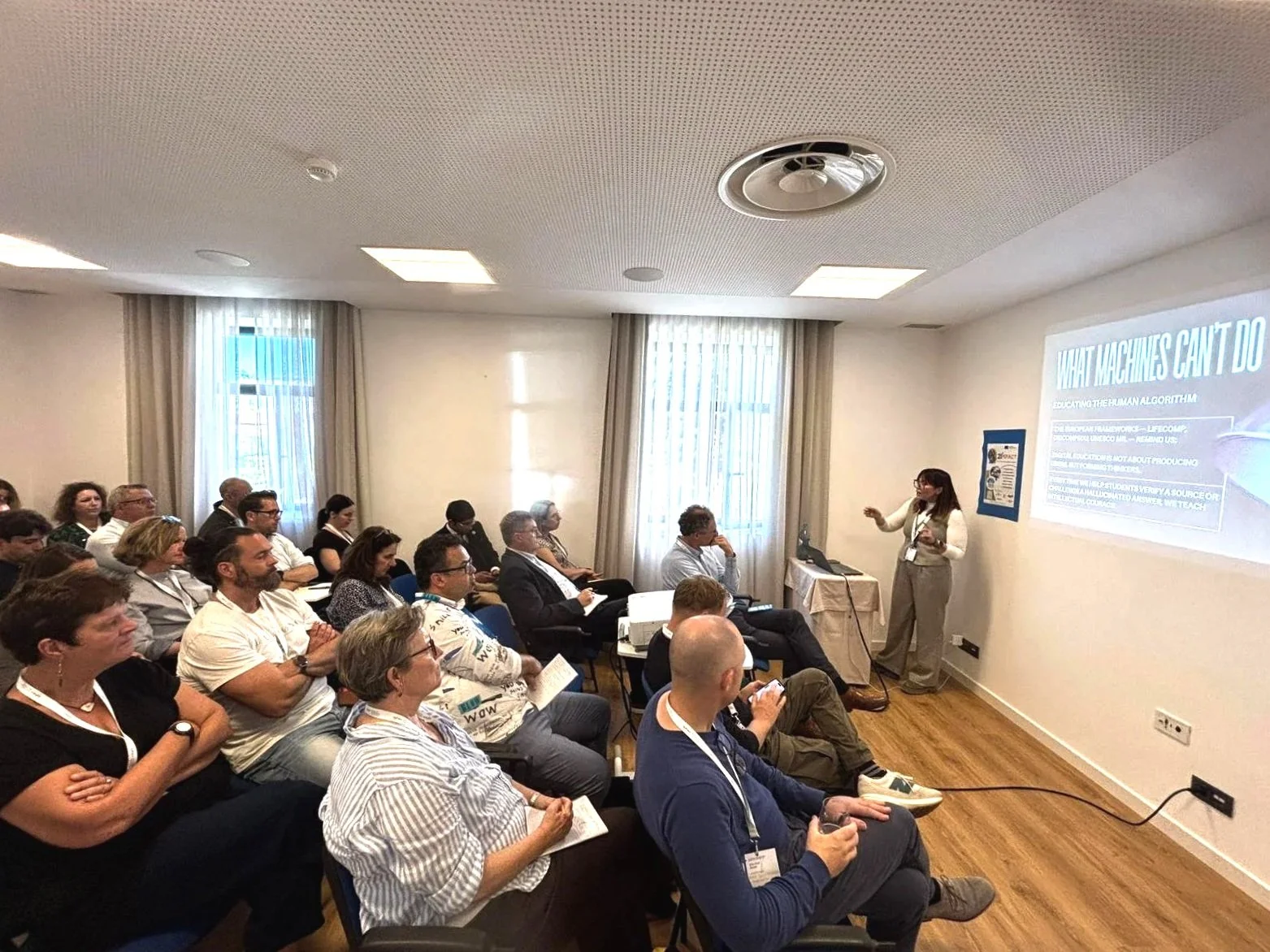

The workshop I delivered this week at the EfVET Annual Conference 2025 was, in many ways, a continuation of what began during the Blended Mobility Week at Cebanc in San Sebastián.
Back then, we worked directly with students, testing the first materials of the 21st IMPACT project. This time, it was the teachers’ turn, educators from across Europe who guide young people every day through a digital environment that evolves faster than we can explain it.
It was a challenge I was genuinely excited to take on. Because bridging what we design for education with what actually happens in education is, ultimately, where real impact begins.
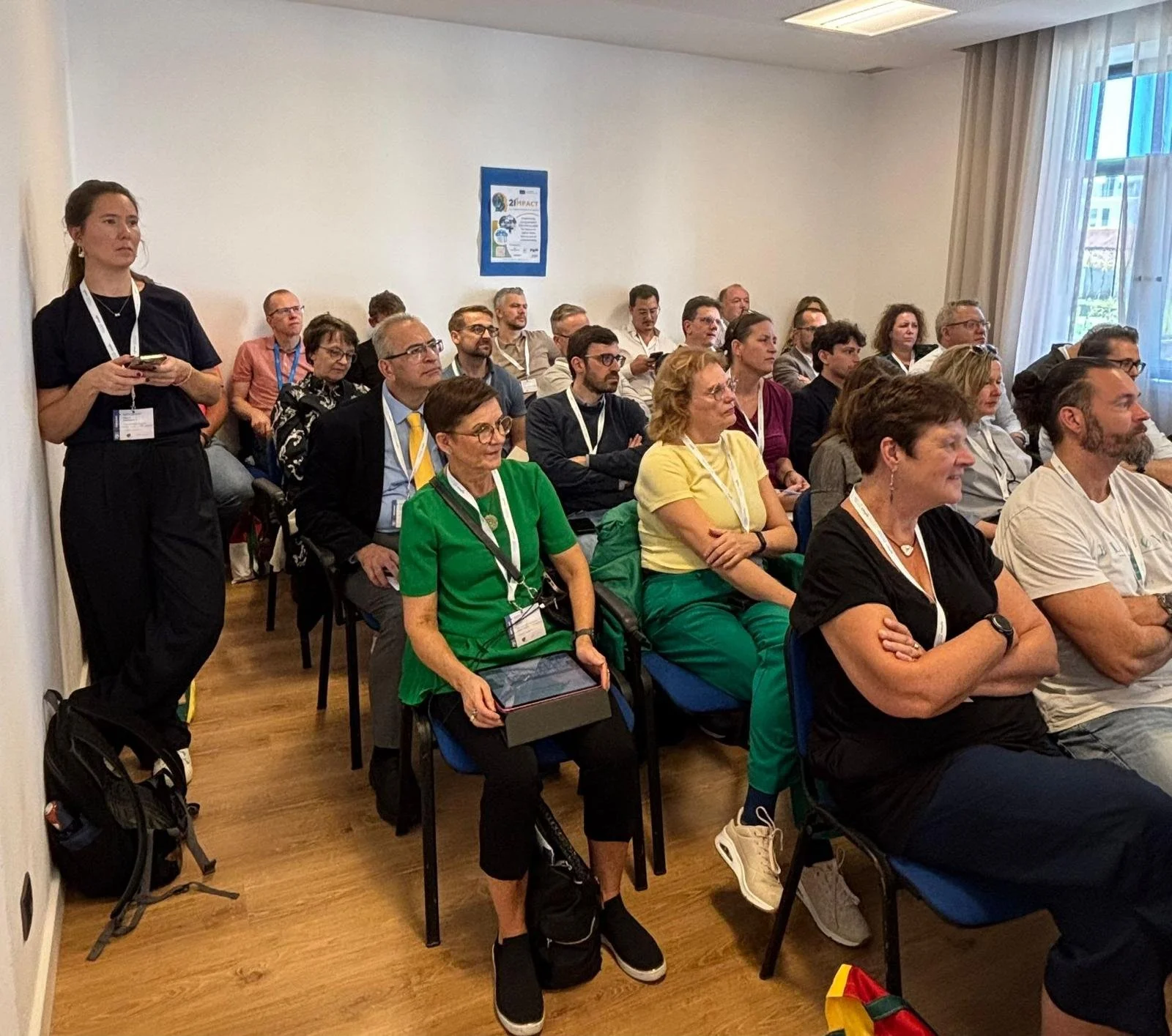
The room filled up quickly, to the point where some people had to stand, and that’s always a good sign: it means there’s curiosity, motivation, and a shared will to question and learn.
And that’s exactly what happened.
The workshop, “Empowering young people's 21st century skills for improved digital media literacy and AI understanding,” became an open space to reflect on how artificial intelligence and social media are shaping learning, attention, and authenticity, and what we, as educators, can do to respond.
The feedback was as generous as it was revealing:
⭐ 4.8/5 average rating.
💬 “Fun interactions, useful ideas, and a clear purpose.”
And one constructive comment I truly loved: “Deeper questions.” Because that’s precisely the point: to create questions, not just answers.
The Menti results showed that most participants feel fairly confident discussing AI with their students, yet still need more tools and safe spaces for dialogue. That’s exactly where the project’s goal lies: connecting media literacy, ethics, and 21st-century competencies so that we don’t just teach technology, but also teach understanding.
Throughout the conference, many participants came by to continue the conversation, to share experiences, ask for materials, or simply reflect on the speed of it all. Those spontaneous talks, in the corridors or over coffee, are where community truly takes shape.
And, as always, I leave with that familiar feeling of wanting to go further, to explore more, to offer more. But that takes time. Time to listen, connect, and think together.
That’s why this work continues, across countries, projects, and conversations.
My deepest thanks to my colleagues Irida Tase and Kian Hald Jensen, and to everyone who took part, listened, and kept the dialogue alive afterwards.
This is just a thank-you post, a deeper analysis of the survey results (which teachers kindly completed), and the rest of the learning week in Portugal will follow soon.
The conversation has only just begun.